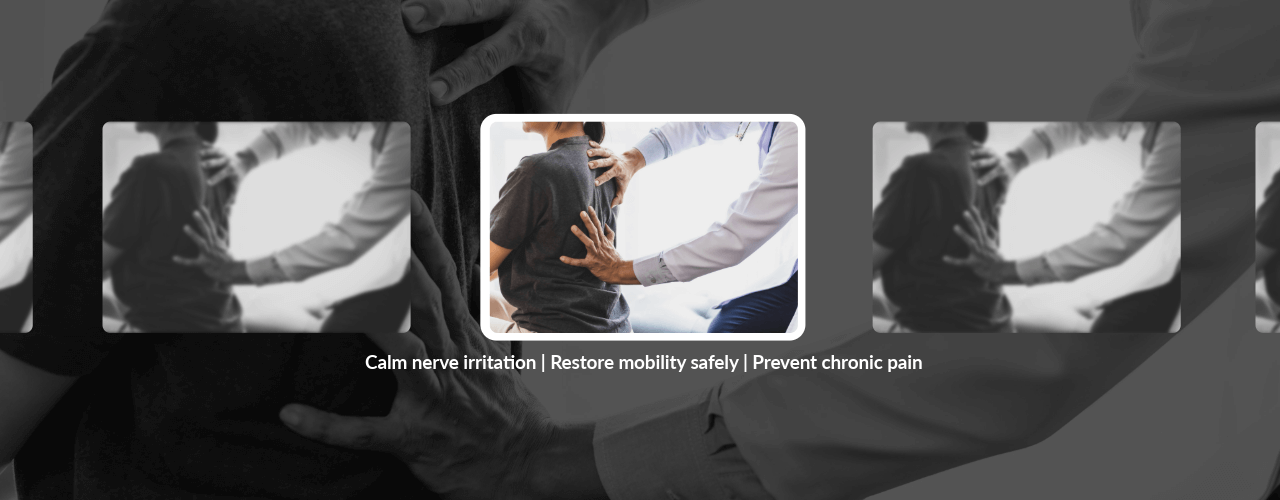
Many patients expect soreness after surgery, but nerve pain can feel very different. Tingling, burning, or shooting sensations can appear around the incision or travel down an arm or leg. This happens when nerves are stretched, irritated, or compressed during the surgical process. Even gentle contact with healing tissue can cause sensitive nerve endings to send stronger pain signals than normal. While this pain can be frustrating, rehab for post-op nerve pain helps the nervous system calm and recover safely.
Understanding Why Nerve Pain Happens After Surgery
1. How Long Does Nerve Pain Last After Surgery?
The duration depends on the type of surgery and how the body heals. Mild nerve irritation may fade within a few weeks. If nerves were significantly affected, recovery can take several months. Physical therapy can help accelerate this process by improving circulation, reducing stiffness, and retraining the nerves to function normally. Most patients notice steady improvement when they stay consistent with their therapy plan.
2. Why Does the Pain Feel Worse Some Days?
It is common for nerve pain to fluctuate during healing. Changes in activity level, posture, or temperature can trigger stronger sensations. As nerves regenerate, they may send random signals that feel sharp or “electric.” This is a normal sign of healing. Regular rehab for post-op nerve pain helps reduce these flare-ups through controlled exercises, stretching, and gentle movement that desensitize the affected area.
3. What Does Physical Therapy for Nerve Pain Include?
Rehab for post-op nerve pain focuses on restoring comfort, movement, and strength without overstimulating the nerves. A therapist may use:
Manual Therapy
- Hands-on techniques that reduce tension and promote tissue recovery.
Nerve Gliding Exercises
- Movements that gently mobilize irritated nerves to restore their normal motion.
Balance and Coordination Training
- Improves how muscles and nerves communicate.
Education
- Guidance on posture, body mechanics, and home activity adjustments to reduce strain.
Research shows that active recovery is more effective than complete rest. Movement supports nerve repair and prevents stiffness that can worsen pain.
4. How Do I Know If My Nerve Pain Is Improving?
Improvement may feel gradual. Many patients first notice a decrease in sharp or burning sensations, followed by better mobility and less fatigue. Your therapist tracks these changes through strength testing and range-of-motion measurements. Consistent progress shows that nerves are healing and the body is adapting to normal movement again.
5. Can Physical Therapy Prevent Chronic Nerve Pain?
Yes. Without guided recovery, sensitive nerves may continue sending pain signals even after tissue heals. This can lead to long-term discomfort. Structured rehab for post-op nerve pain prevents that cycle by retraining the nervous system. Early treatment reduces inflammation, strengthens muscles that support the affected area, and teaches safe ways to move, sit, and lift. Prevention is always more effective than managing pain later.
6. What Should I Expect at [site-name]?
At [site-name], your physical therapist begins with a detailed evaluation to identify which nerves and muscles are affected. From there, your therapist designs a personalized recovery plan that focuses on improving movement, reducing pain, and rebuilding confidence. Each session includes hands-on techniques, guided exercises, and education to help you manage discomfort and continue healing at home.
Start Your Recovery Journey Today
You do not have to live with post-surgical nerve discomfort. With the right support, the nervous system can heal and adapt. Contact [site-name] in Washington, DC today to learn how our specialized rehab for post-op nerve pain programs can help you regain comfort, strength, and control.
Tags: nerve pain, post-surgery rehab, recovery tips, healing process
 Print Patient Forms
 Our Location
 FAQ
FAQ Conditions Library