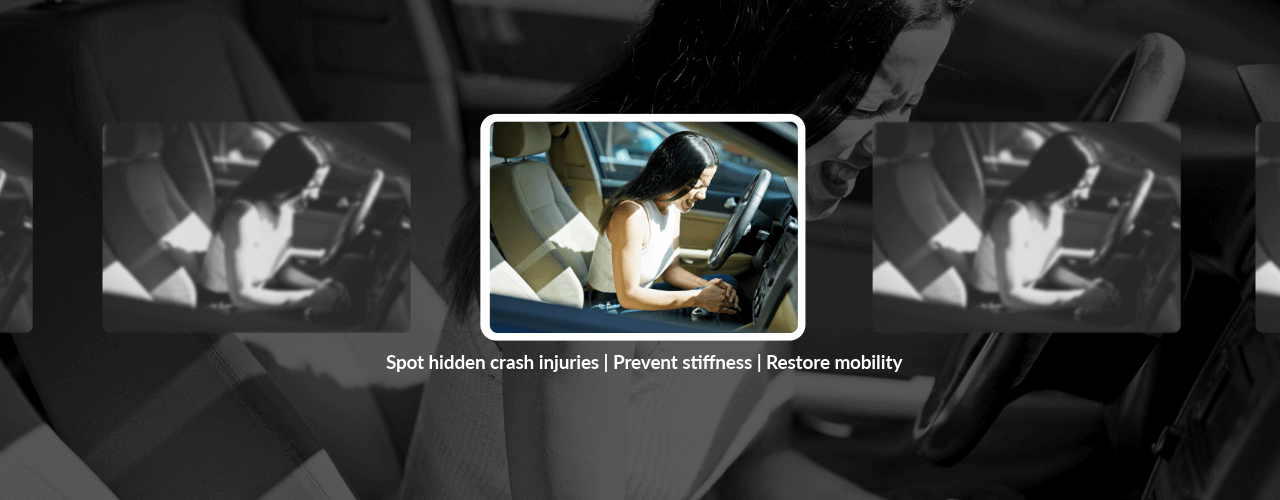
After a car accident, many people walk away without visible injuries yet develop soreness or stiffness within a day or two. This discomfort often results from soft tissue damage car accident injuries, which affect the muscles, tendons, and ligaments that support the body. Unlike broken bones, soft tissue injuries may not show up on an X-ray, but they can cause significant pain and limit movement if left untreated.
Soft tissues play a crucial role in stabilizing joints and absorbing the shock of everyday motion. During a collision, the sudden force stretches or tears these tissues, leading to inflammation, swelling, and tenderness. Understanding how this damage occurs helps explain why symptoms sometimes appear long after the crash.
What to Know About Soft Tissue Injuries in a Collision
When a vehicle stops suddenly, the body continues to move until restrained by a seat belt. That motion forces muscles and ligaments to stretch rapidly, sometimes beyond their normal range.
Even minor accidents generate enough force to strain muscles and connective tissue. This is why it’s important to monitor how you feel for several days after any collision.
Common Types of Soft Tissue Damage From A Car Accident
Whiplash
- Rapid forward-and-backward movement of the neck strains cervical muscles.
Impact Injuries
- A shoulder, knee, or hip hitting a hard surface during the crash can bruise or tear tissue.
Twisting or Bracing
- Trying to stabilize yourself before impact can cause muscle strain or sprain.
Common Symptoms of Soft Tissue Damage
Soft tissue injuries vary in severity, but they often share similar warning signs:
- Localized pain or tenderness
- Swelling or bruising
- Stiffness or reduced range of motion
- Muscle weakness or fatigue
- Pain that worsens with movement or after periods of rest
Symptoms can appear gradually as inflammation increases. For example, you might feel fine immediately after the accident but wake up sore the next morning. Persistent pain or swelling should always be evaluated by a professional.
Why These Injuries Should Not Be Ignored
Soft tissue damage from a car accident may seem minor, but untreated strains or sprains can lead to chronic discomfort and reduced flexibility. The body tries to protect injured areas by limiting movement, which causes stiffness and muscle imbalance over time. This restricted motion can also affect posture, leading to additional pain in nearby joints such as the shoulders, hips, or spine. Early care helps prevent these complications and supports full recovery.
How Physical Therapy Promotes Healing
Physical therapy is one of the most effective ways to treat soft tissue damage from car accident injuries. Therapists use hands-on techniques, guided exercises, and movement education to restore mobility and relieve pain.
Treatment typically includes:
- Manual therapy techniques to reduce tension and improve circulation.
- Range-of-motion exercises to keep joints flexible and prevent stiffness.
- Gradual resistance training to rebuild muscle support.
- Postural training to correct movement patterns that may cause strain.
- Guidance on pacing activity, using ice or heat, and avoiding positions that delay healing.
These approaches encourage proper tissue repair, reduce inflammation, and help patients return to daily activities with less discomfort.
Expected Recovery and What to Watch For
Healing time depends on the severity of the injury and how soon therapy begins. Mild strains may improve within a few weeks, while more significant damage can take several months. Ongoing pain, swelling, or limited motion are signs to continue therapy and follow your treatment plan closely. Staying active at a safe level during recovery prevents stiffness and speeds healing.
Recover Fully with [site-name]
At [site-name], our licensed therapists specialize in treating soft tissue damage and car accident injuries. We use personalized care plans that combine manual therapy, stretching, and strengthening to promote lasting recovery. Whether you’re dealing with whiplash, bruising, or muscle strain, our team will help you move comfortably again and prevent future pain. Contact [site-name] in Washington, DC today to begin your rehabilitation and get back to feeling your best.
Tags: accident recovery, mobility therapy, soft tissue injuries, whiplash
 Print Patient Forms
 Our Location
 FAQ
FAQ Conditions Library